Planning to explore Italy by rental car? Driving is one of the best ways to discover the country's stunning countryside, charming villages, and breathtaking coastlines. However, before you set off, it's important to understand Italy's driving rules and local customs to ensure a safe and enjoyable journey.
Why Rent a Car in Italy?
While Italy has an excellent rail network, many of the country's most beautiful destinations are difficult to reach without a car. From the vineyards of Tuscany to the coastal roads of the Amalfi Coast and the hidden beaches of Sicily, a rental car gives you the freedom to travel at your own pace.
Need a rental car for your Italian adventure? Compare prices from leading providers here:
Which Side of the Road do Italians Drive on?
In Italy, drivers travel on the right-hand side of the road and overtake on the left.
If you're visiting from the UK, it may take a little time to adjust, particularly when:
- Entering roundabouts
- Joining motorways
- Turning at junctions
Take extra care during your first few hours behind the wheel.
Speed Limits in Italy
Unless otherwise indicated, the standard speed limits are:
- Motorways (Autostrade): 130 km/h
- Dual carriageways: 110 km/h
- Main roads: 90 km/h
- Urban areas: 50 km/h
Understanding ZTL Zones
One of the most important things tourists need to know is the existence of ZTL (Zona a Traffico Limitato) zones.
These are restricted areas found in many historic city centres, including:
- Florence
- Rome
- Pisa
- Siena
- Bologna
Entering a ZTL without permission can result in fines being sent to your home address long after your holiday ends.
Look out for signs reading:
"Zona Traffico Limitato"
If you're unsure, park outside the city centre and walk in.
Toll Roads in Italy
Many Italian motorways are toll roads.
You will usually:
- Collect a ticket when entering
- Pay when exiting
Most toll booths accept
- Credit cards
- Debit cards
- Cash
Keep some euros available just in case.
Parking in Italy
Parking zones are often colour coded:
White Lines - Usually free parking.
Blue lines - Paid parking.
Yellow lines - Reserved parking. Avoid parking here unless authorised.
Always check nearby signs for restrictions and payment requirements.
Fuel Types
Italian petrol stations typically offer:
- Benzina (Petrol)
- Diesel (Diesel)
Check which fuel your rental car requires before filling up.
Roundabouts and Local Driving Style
Italian drivers can sometimes appear more assertive than visitors may be used to.
Some useful tips:
- Stay calm and drive confidently.
- Use indicators clearly.
- Keep a safe distance.
- Watch for scooters and motorcycles, especially in cities.
Documents You'll Need
When driving in Italy, you should carry:
- Driving license
- Passport
- Rental agreement
- Insurance documents
Most UK visitors can use their standard driving license.
Best Places to Explore by Car
A rental car opens up some of Italy's most incredible destinations:

Tuscany

The Amalfi Coast
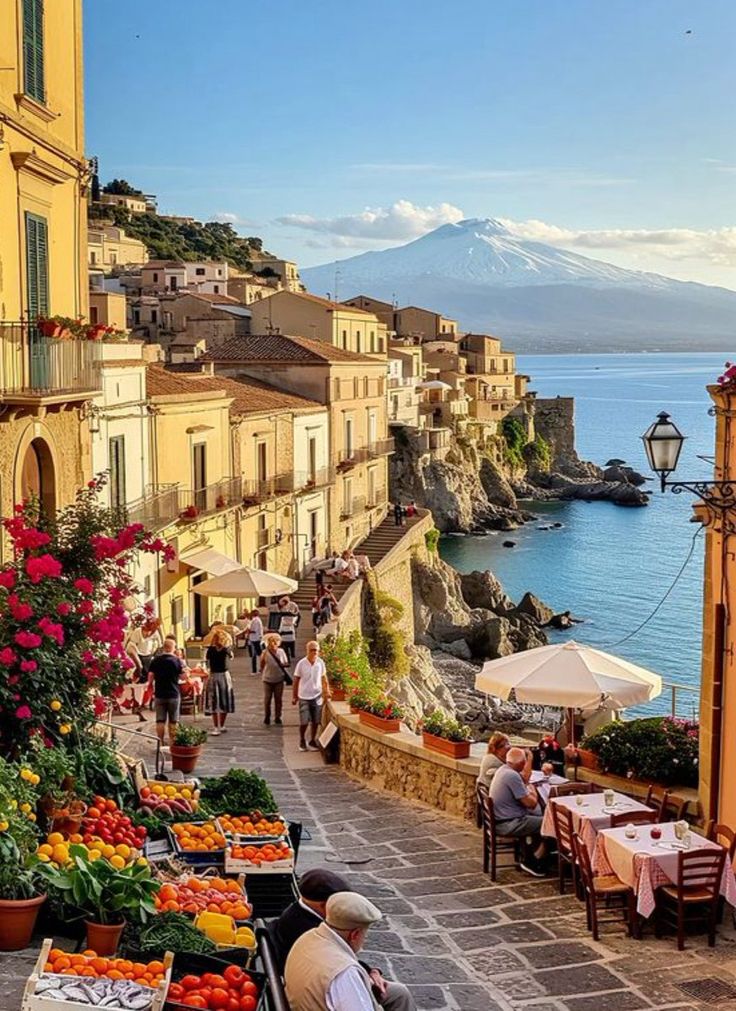
Sicily

Lake Garda

The Dolomites
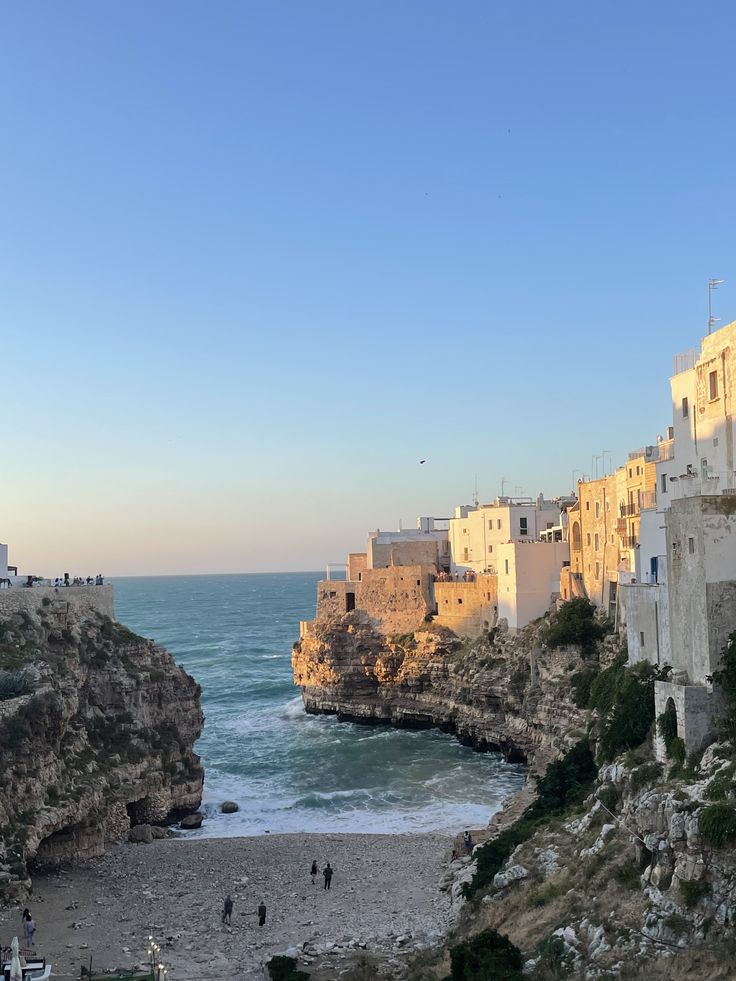
Puglia
These regions are often best experienced on a road trip.
Final thoughts
Driving in Italy is a fantastic way to experience the country's culture, scenery, and hidden gems. By understanding local rules and planning ahead, you'll enjoy a smooth and memorable journey.
Before you travel, compare rental car prices and find the best deal for your trip:
Safe travels and enjoy exploring Italy by road!